Thai Massage is a skill-based practice. The school you choose will shape how you touch, move, observe, and work with people. A good Thai Massage school does not only teach techniques. It teaches safety, body mechanics, rhythm, pressure, and awareness.
If you are searching for a Thai Massage school in India, use the following checklist before enrolling.
1. Check whether the course is practical
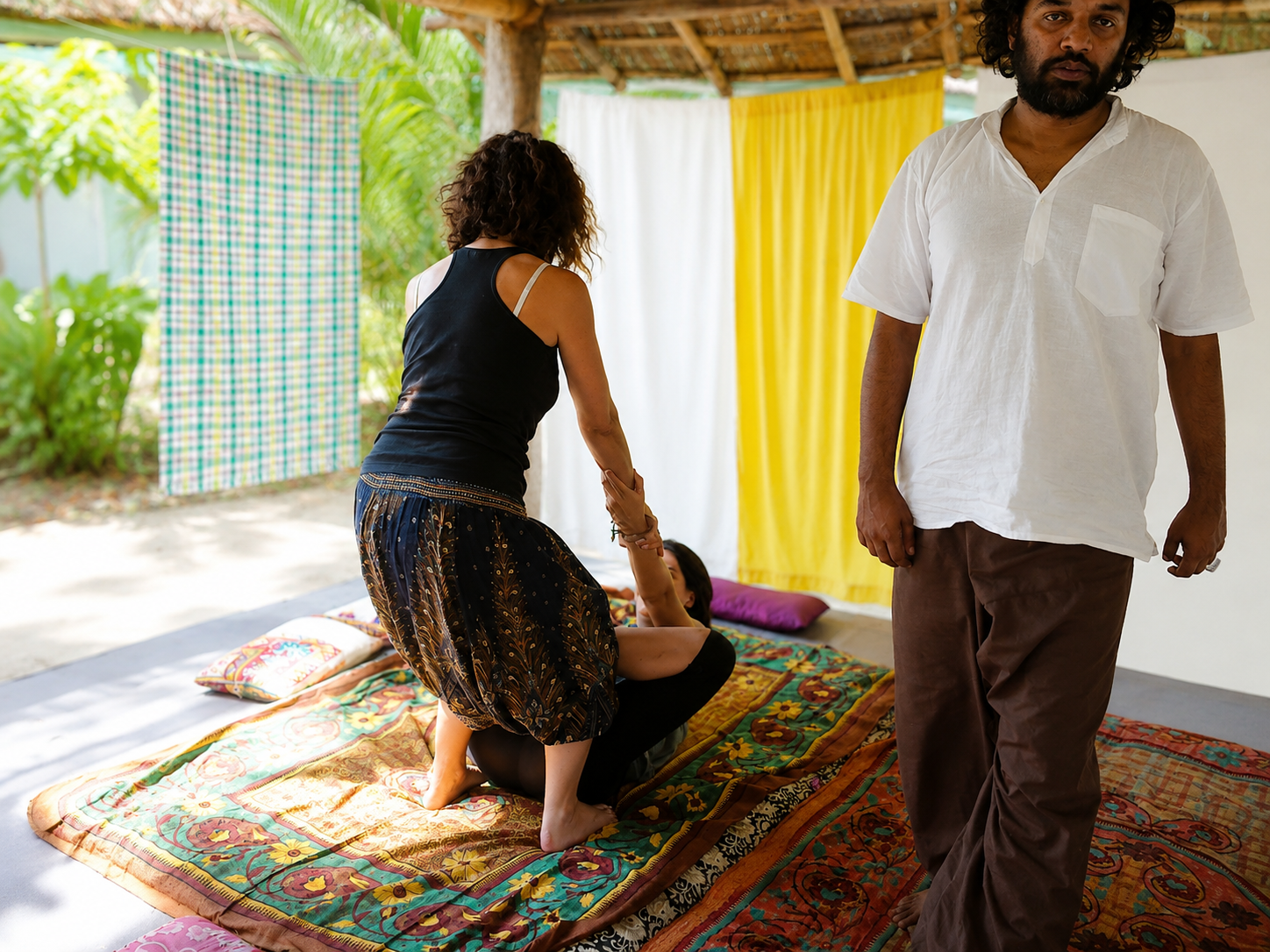
Thai Massage cannot be learned only through lectures. You need repeated practice on real bodies. A good course should include demonstrations, partner practice, teacher correction, and supervised routines.
Look for a school that clearly explains how many hours are practical.
2. Ask about batch size
Large batches may look exciting, but beginners need personal correction. Small batches help teachers notice mistakes in posture, pressure, and movement.
A small teacher-to-student ratio is especially valuable in Thai Yoga Massage because the practitioner must learn how to use body weight safely.
3. Understand the curriculum
A beginner course should include:
- Basic principles of Thai Massage
- Practitioner posture
- Safe pressure use
- Assisted stretches
- Sen lines or energy meridians
- Foot, leg, abdomen, chest, shoulder, neck, head, and face work
- A complete session sequence
Intermediate and advanced courses should add deeper sequencing, evaluation, pressure point understanding, Tok Sen, Guasha, and therapeutic bodywork principles.
4. Check if beginners are welcome
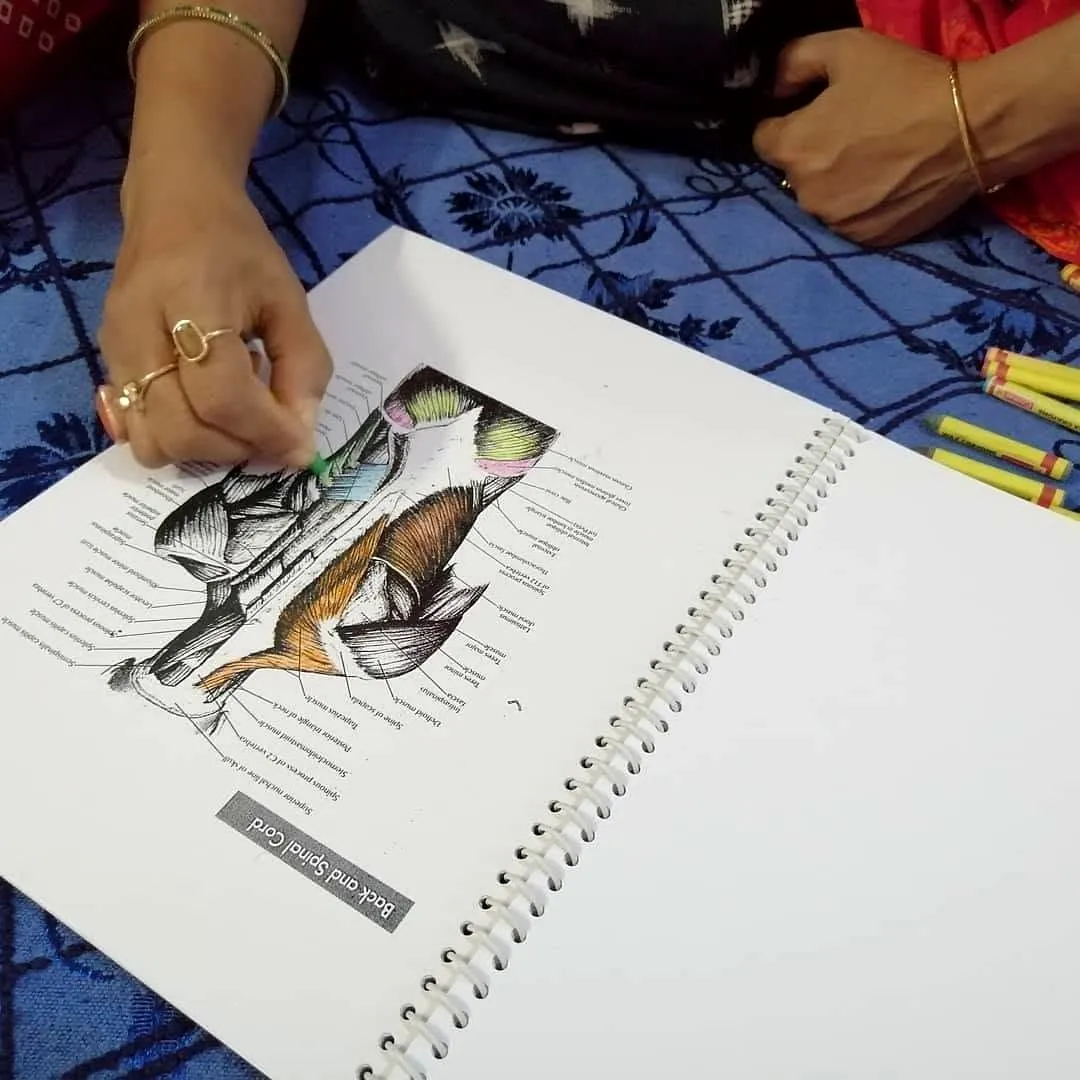
Some students avoid Thai Massage because they think they need anatomy knowledge first. A well-designed Level 1 course should be beginner-friendly and should introduce anatomy in a simple, practical way.
5. Look for post-course support
After the course, students need practice. Free re-training, revision support, or teacher guidance can make a big difference. Thai Massage confidence grows through repetition.
6. Check the instructor’s experience
The instructor should have real practice experience, not only theoretical knowledge. Look for a clear instructor profile, years of experience, training background, and areas of expertise.
7. Compare value, not only price
- Training hours
- Practical correction
- Batch size
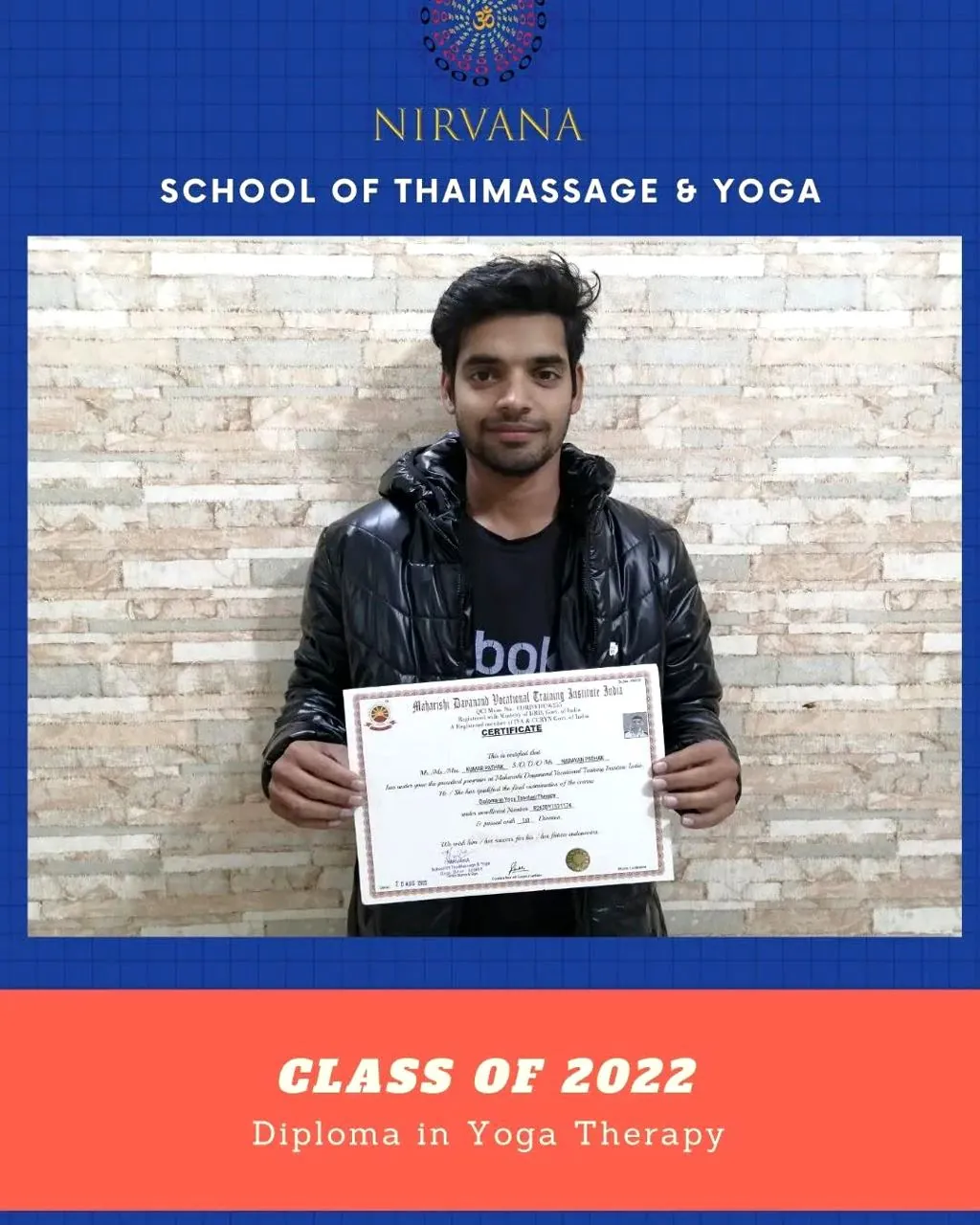
- Certificate
- Curriculum
- Post-course support
- Location
- Instructor experience
A course with better supervision can save months of confusion.
8. Choose a learning environment that supports focus
Thai Massage is deeply connected with calmness, rhythm, breath, and awareness. A peaceful location can support learning. Gaya and Bodhgaya offer a strong environment for yoga, meditation, and healing education.
Final checklist
- How many students are in one batch?
- How many hours are practical?
- What will I be able to do after Level 1?
- Is there a certificate?
- Who teaches the course?
- Is there revision or re-training support?
- Are payment, refund, and schedule details clear?
The best Thai Massage school for you is the one that gives you safe foundations, personal correction, and enough practice to build real confidence.
Explore Nirvana School’s Thai Yoga Massage Level 1, Level 2, and Level 3 courses in Gaya, India.